A local online news service staffed by Duke journalism students recently started using AI to identify and draft news stories of interest. The AI has surfaced strong local content, but the articles need vetting and editing. More: Early lessons from 10th Street - 9th Street Journal
Good Lord…
Local exposure to poor individuals reduces support for redistribution among the well-off. In other words, wealthy people are more likely to favor government programs helping the poor if they never see poor people. Source: Science and Technology links (May 25 2024) – Daniel Lemire’s blog
When does vacation start?
#For my wife, the vacation starts when we’re on the way to the airport. For me, vacation starts after all the mechanics and problem-solving of travel are behind me – TSA check, rental car, unfamiliar highways, how does the shower work, etc. That first meal after all these problems are behind me is when vacation starts for me.
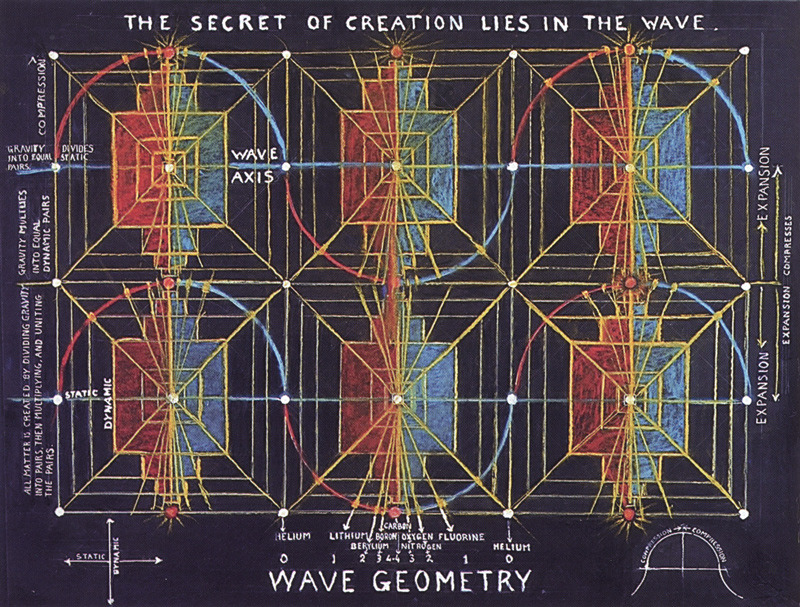
The Paris Review - Inscrutable, But Beautiful—Walter Russell’s New Age Diagrams
My Nova Scotia Books 7
#📚 Purchased in Annapolis Royal, NS
From Joann’s Chocolate Shop & Cafe: A charming little cafe where the owner makes her own chocolates and candies. And as if that weren’t enough, she has a goodly number of both used and new books.
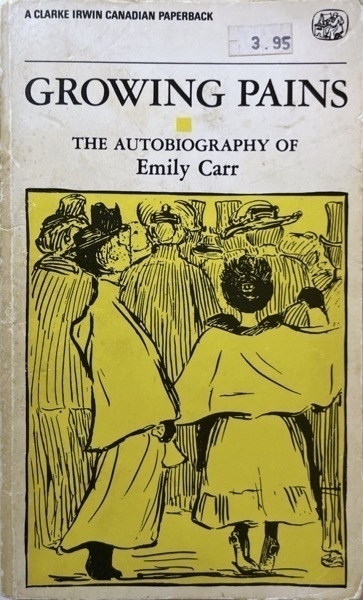
Growing Pains by Emily Carr: this was our bedtime reading and a terrific description of long-ago places and times.
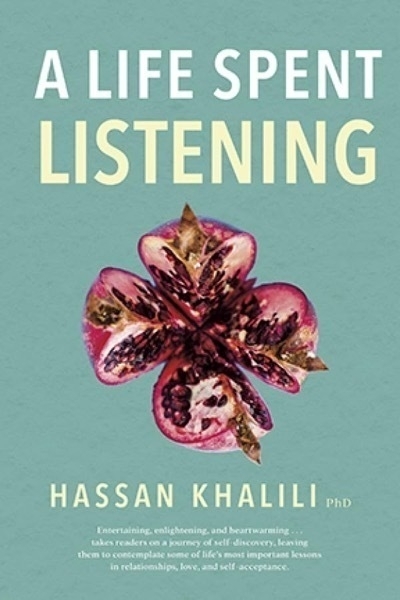
A Life Spent Listening by Hassan Khalili
This is still on my to-read shelf. I like self-help books, and was interested in this one as the author is an Iranian immigrant who practiced psychotherapy in Newfoundland for 40 years – interested in finding out how or if his Iranian culture influenced his work with Canadian patients and vice versa.
From Bainton’s Tannery Outlet/Mad Hatter Bookstore: Props to Google Maps for finding this store for me; Bing and Apple Maps found the Mad Hatter Wineshop next door, but did not identify these establishments – which are an odd couple on the face of it. The tannery and leather goods occupy one side of this rather snug store, with new books on the other side. What struck me about their book selection was its strong focus on local culture, specifically Annapolis Royal history and culture; many of the books were attractively designed objects ideal for holding in the hand.
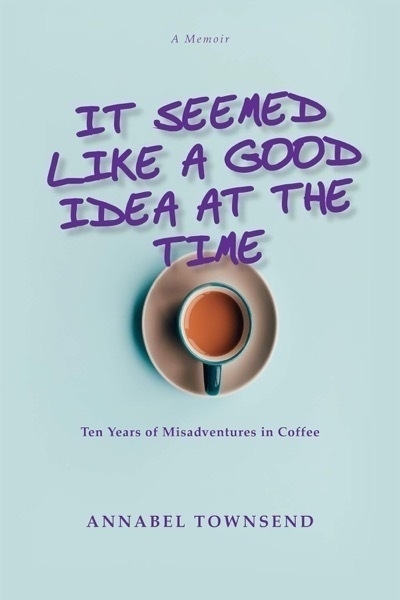
It Seemed Like A Good Idea At The Time by Annabel Townsend : Not Nova Scotian at all, more Saskatchewan. I bought it thinking we could use it for bedtime reading; it was lightly amusing, but not for us.
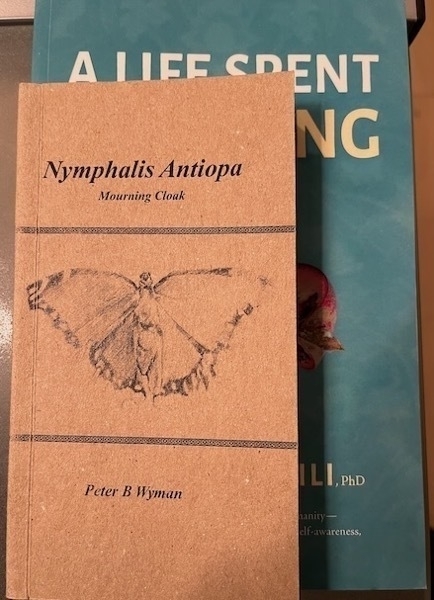
Nymphalis Antiopa by Peter B. Wyman
A small book of seven literary short stories. By “literary,” I mean the stories contain elegant writing and description, not much plot, some modest narrative experimentation, and their temperature never rises high enough to lift them off the page. Still, a couple of stories stuck with me. “Broken Angel” follows the police chief as he patrols the blocks of town devastated by the “Great Fire” of 1921; as I read, I remembered street names and landmarks that are key reference points in the story. The last story, “Radio Silence,” follows the narrator as he takes a winter hike along a particularly treacherous stretch of woods lining the shore along the Bay of Fundy and discovers a World War II legacy gifted to him by the strait. It’s a story of time passing, of rhythms, and of resting places.
Note: I was unable to find where this book could be ordered online; searching on the book title yields page after page of butterfly pictures, surprise, surprise. It was likely privately printed. If you’re interested, the author includes his email address on the book as wymanpe@gmail.com
If grapes are nature’s candy, then dates are nature’s chocolate caramels.
To the dentist early on a dark, cold, rainy morning for a crown. They did a great job but lots of waiting. While sitting in the lobby as they fabricated the crown, I made good progress on reading Lynda Barry’s Making Comics. 📚 Working through the book’s exercises and posting my work online is one of this year’s goals. I could tell from just today’s experience of reading the book, that this cannot be a part-time project. Full attention, full heart, full mind, or don’t bother..
Running the Light by Sam Tallent
#
Finished audiobook of Running the Light by Sam Tallent 📚
Really enjoyed this story focused on a week in the life of a once-celebrated and now-degenerated, mostly forgotten standup comic slogging his guts out at two-bit one-night stands. Tallent excels at describing the experience of being on stage as Billy Ray Schafer smokes, cokes, drinks, connives, and somehow lurches himself into the only activity that makes him feel alive, while his paranoia and guilt make him self-destruct on his way to the next venue. He’s feeling the light about to go (the book never explains what “running the light” stands for; it’s when the on-stage comic ignores the blinking light signaling the end of his set yet refuses to leave the stage) (though the book’s ending lends another meaning) and it’s time to take care of loose ends.
I thought the story was gripping, with great set-pieces and some startling violence – Billy Ray’s anger at himself and God is always ready to explode at the least provocation.
But the telling … oy. The audiobook may gain a frisson of interest as individual chapters are narrated by various stand-up comics, but their readings are wildly different, some of them are not good at all, I could never tell who was who in a dialogue, and the indifferent, variable sound recording for each narrator made me yearn for a good studio-produced recording with an actor/comic who could have lent consistency to the story’s telling so that I didn’t keep falling out of the dream whenever a new narrator appeared.