Currently reading: The Complete Works: The Journal of a Disappointed Man; A Last Diary; Enjoying Life and other literary remains by W.N.P. Barbellion 📚
Currently reading: The Complete Works: The Journal of a Disappointed Man; A Last Diary; Enjoying Life and other literary remains by W.N.P. Barbellion 📚

Currently reading: Early Autumn - A Story of a Lady (Read & Co. Classics Edition) by Louis Bromfield 📚
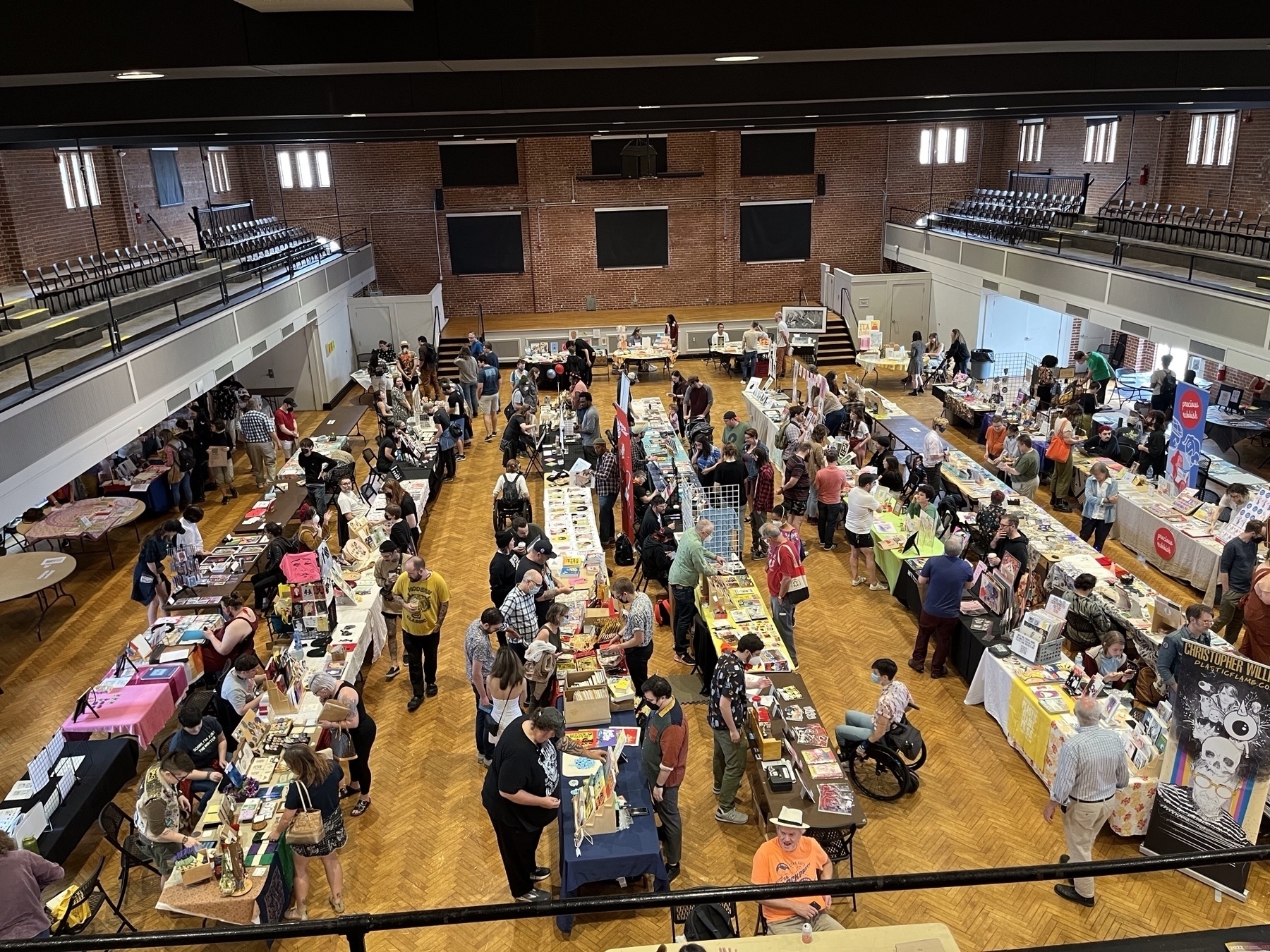
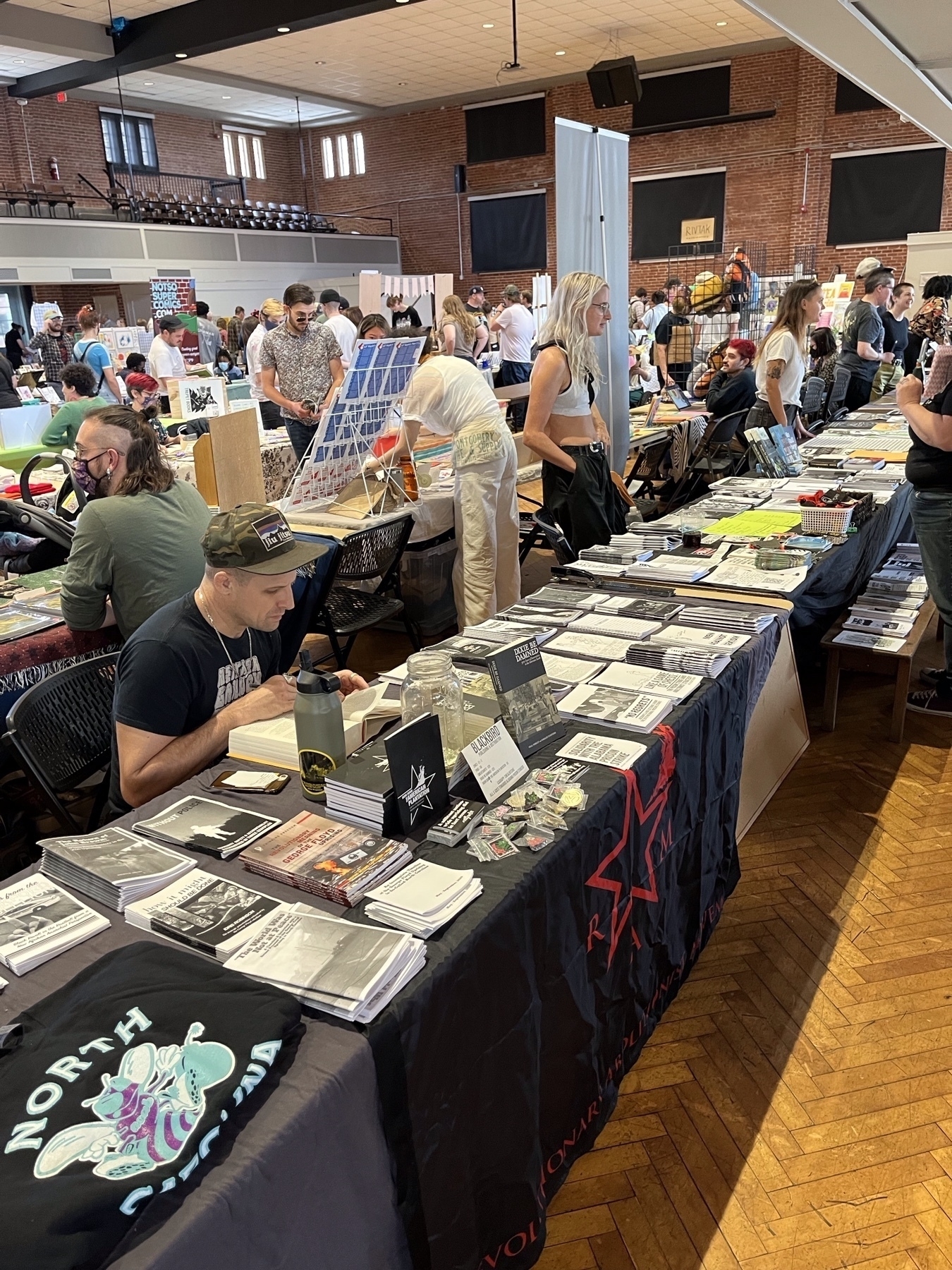
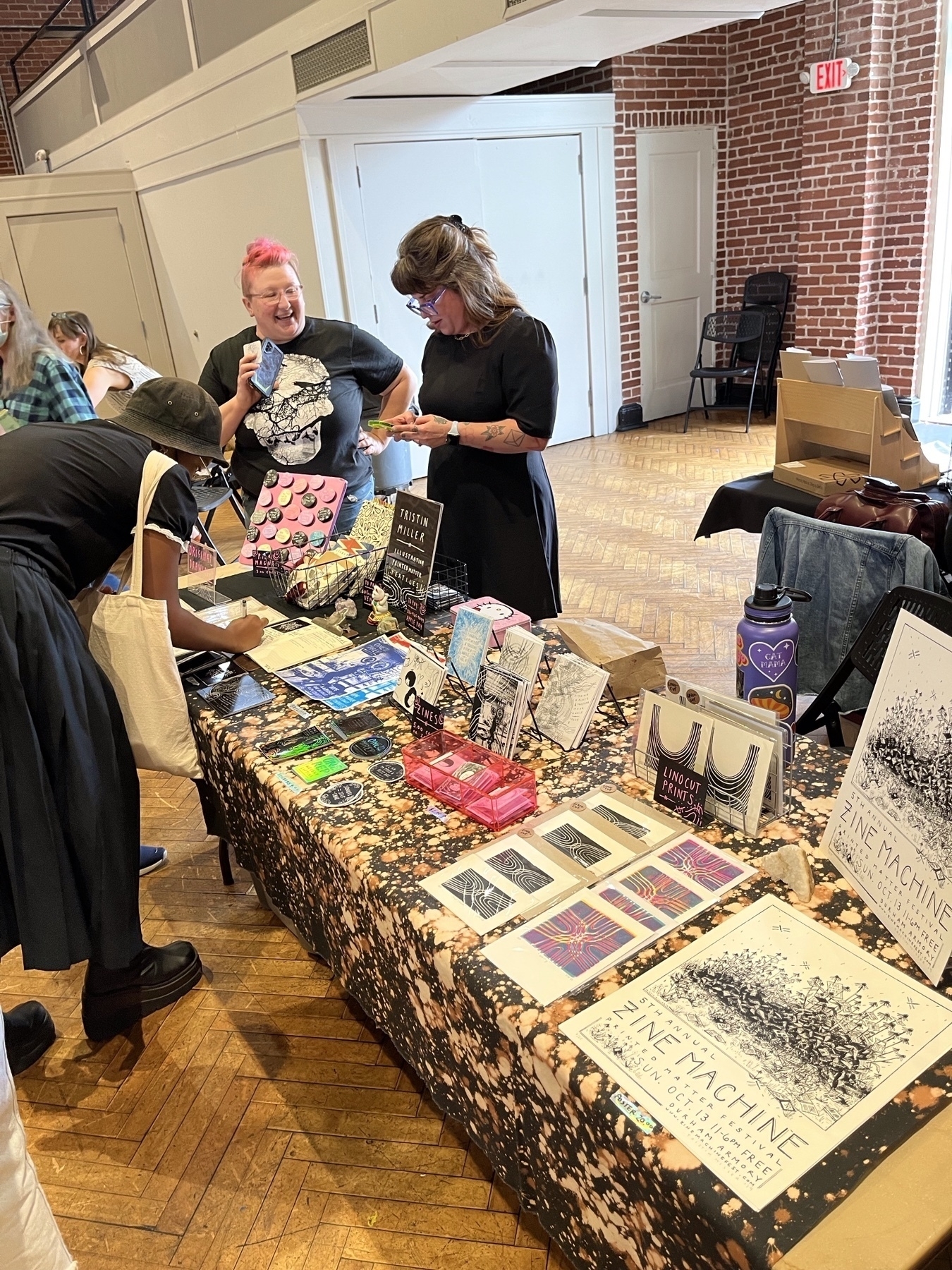
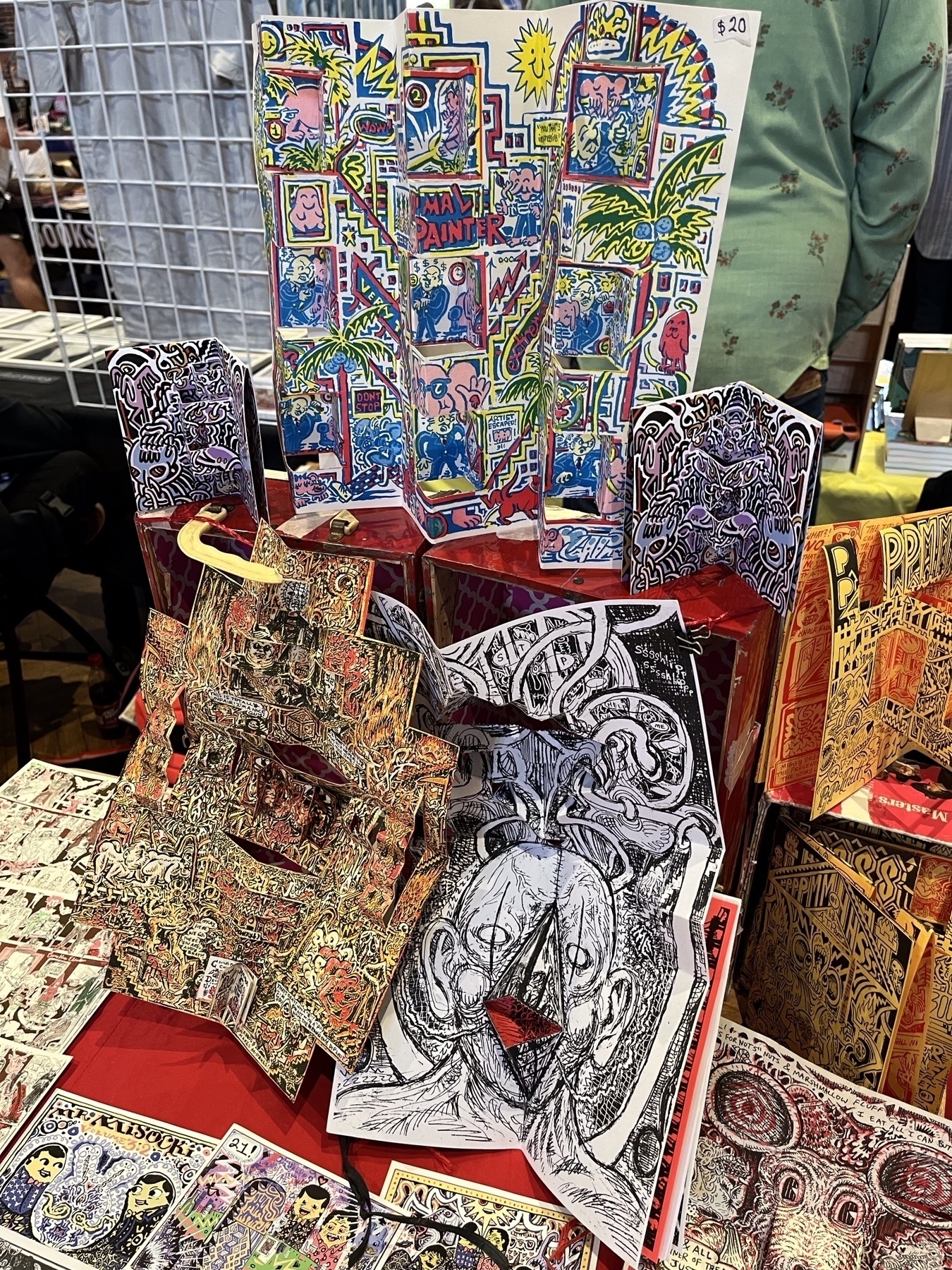
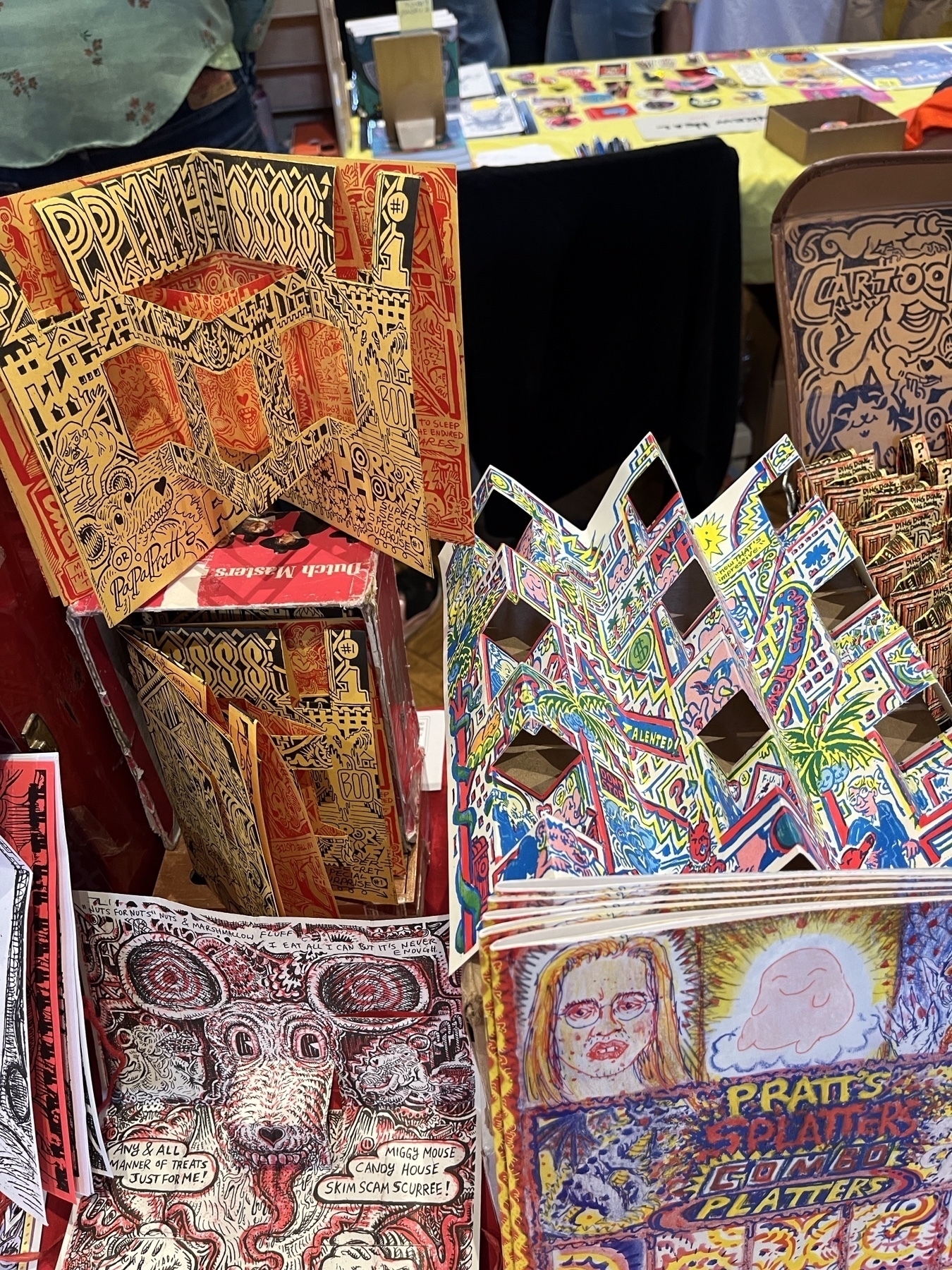
Zine Machine Fest, Durham NC, 2022-10-16
One of my favorite happy-making, smile-on-my-face-the-whole-time events of the year.
Arnold Bennett: Lost Icon by Patrick Donovan. 📚 An excellent biography of the phenomenally famous and successful British author of the 1910s-20s who is little-known and littler-read today. For a man who tried always to live and behave sensibly, his relationships with the two women in his life showed the limits of his self-satisfied rationality. Still, it was a remarkably busy and industrious life, with his journalism and “pocket philosophies” (such as How to Live on 24 Hours a Day) jostling alongside his fiction and plays. Virginia Woolf bears some of the blame for the eclipse of his reputation, though some responsibility is borne by time and shifting tastes. I remember reading his play The Title and one of his novels, and the mustiness of the atmosphere and archness of the prose turned me off. I should go back and try the novels on which his reputation rest, like The Old Wives Tale and The Card.
Bennett’s friend Frank Swinnerton wrote his own remembrance of Bennett and was a novelist in his own right. I downloaded Nocturne 📚 from Gutenberg (and loaded it into Serial Reader—ah, technology) and skimmed through it rather quickly. An interesting idea, to tell the story of two sisters, both loving and antagonistic, in a single night, with some moments of actual drama and interest. But so much telling. I started to see how parts of the story could work as a play but the dialog was so stilted, the narrative voice so ever-present, and the storytelling itself so stiff (not to mention that I didn’t trust Swinnerton’s psychological portraits of the sisters) that I found this short novel to be pretty forgettable.
In the comics world, I binge-read Unbeatable Squirrel Girl by Ryan North and Erica Henderson (my favorite artist of the series). So light, clever, funny, and fast; they really brought the joy of reading comics back for me. I also loved that they included the letters pages from the original comics, featuring cosplay photos from readers young and younger. The community that grew up around this positive and—yes, why not—wholesome comic was a delight to read. I felt both satisfaction and sadness when the run reached its end.
I also binge-read Garth Ennis’s The Boys 📚 after hearing about the Amazon show; I really cannot recommend it. It’s a brutal satire of superheroes that is itself really ugly, violent, with only two characters I really cared about; their love story is actually quite warm and tender but, jeez, you do have to wade hip-deep in blood and guts to get to it. Like all these sagas, it’s melodramatic so I kept reading to see what happened next (I also never learned to just quit reading a book I’m not enjoying). But based on my description, you can kind of guess what happens next every time.
Also read Grant Morrison’s The Invisibles 📚, which I guess was a story of its time. Brilliant and bold in so many ways, because Morrison. Morrison is brilliant but—and I will take the blame here—few of his stories have stuck with me.
I also read Chip Zdarsky’s run on Howard the Duck, another funny book with heart, though dug in more to the character’s past and not as light-hearted as Squirrel Girl. I like Zdarsky. He has a sense of humor but he also writes good action/superhero stuff; I’m currently following his Batman run.
Kelly Sue DeConnick’s “Wonder Woman: Historia” is deep-dish, gorgeous artwork, very dense, very myth-laden storytelling on the birth of the Amazons. I hope she’s able to continue the series.
I’m trying out the DC Comics app on my iPad and have been rereading Greg Rucka and JH Williams’ Batwoman run, which Williams eventually took over later as both writer and artist. The story is good, as melodramatic and soap operatic as these things are, but Williams’ layouts are jaw-dropping. It’s worth checking out the physical books from the library to really take in all the detail and the strange way he breaks the panels down, as if he dropped each page from a high window and then reassembled the shards into a new whole.
Of interest to postcard fans: The mystery of the 'same sky' postcards
Notes from a lecture given by Walter Derby Bannard at UNC-CH on November 14, 1984
At a Tom Stoppard Q&A session at Duke University, a professor noted that Stoppard has said he can’t resist “fiddling” with a play when it’s being revived or restaged. The prof asked what constitutes “fiddling” and how much of it did he do?
Stoppard replied, “How much fiddling I do depends on how much of Rome is burning at the time.”
-from rescued notes made in the 1990s
Japanese Advice for the Elderly Aging Hints from Hinohara Shigeaki Born 1911 in Yamaguchi Prefecture, Japan (translated and adapted from Tanoyaku, Vol 38, June, 2007)
voluntold – Directed by others to do work that needs doing but that no one else wants to do and without compensation
I was voluntold that I would be writing the company newsletter.
sadmin_ – The overhead, administrative work (either office or household) that needs to be done but that you don’t want to do; the administrivia work that you’re sad to have to perform.
When we got back from the trip, we had to do the sadmin of unpacking, washing clothes, and going to the grocery store.
Part of my Friday afternoon sadmin is writing the weekly report to my boss.