
(via Pisces Rising)
What is the most important lesson life has taught you?
You are never first choice.

(via Jon Crispin: Suitcases from the Willard Asylum for the Insane (PHOTOS).)

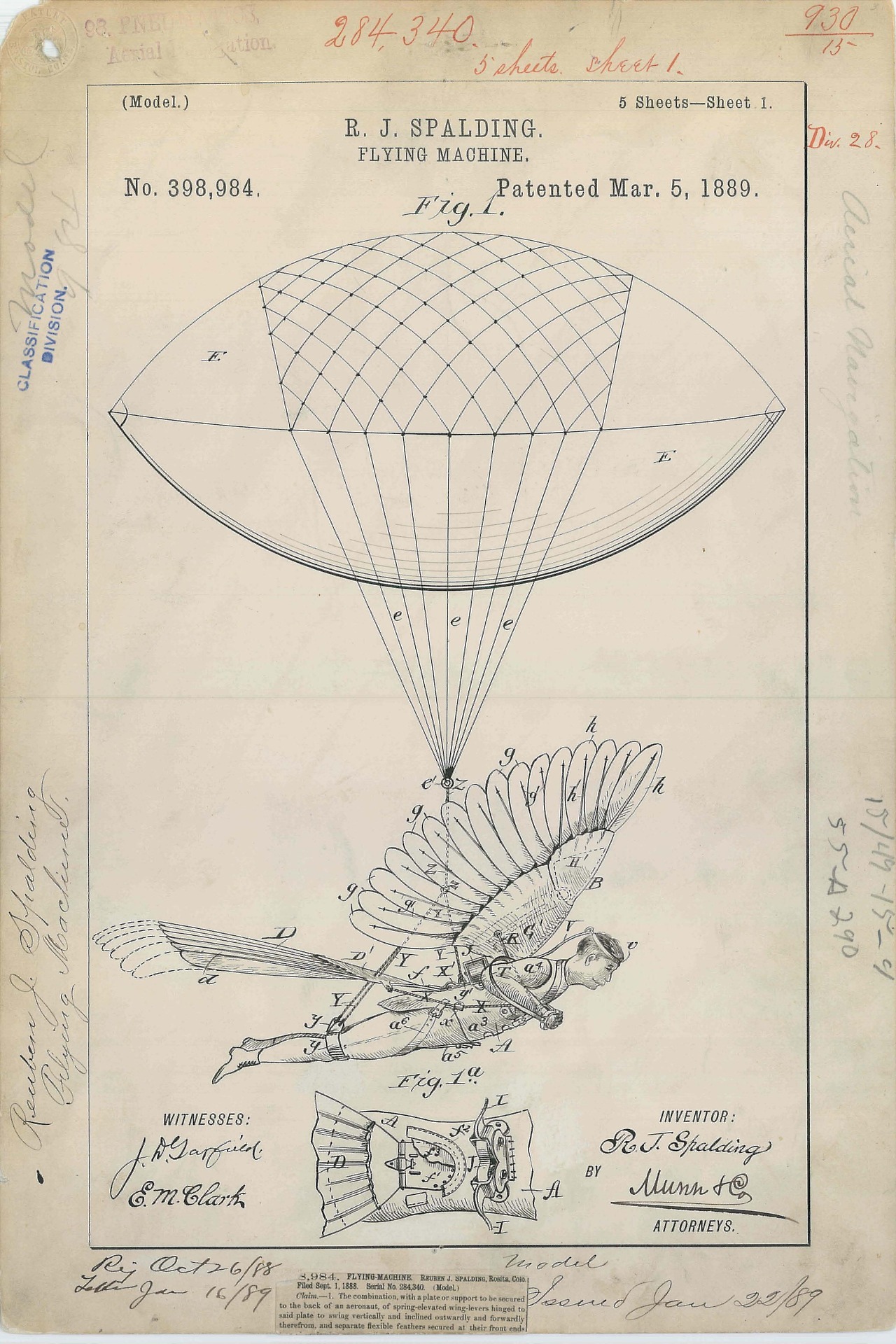
Beautiful patent drawing for R. J. Spalding’s Flying Machine, 1889. Complement with the illustrated history of human flight and 100 diagrams that changed the world.
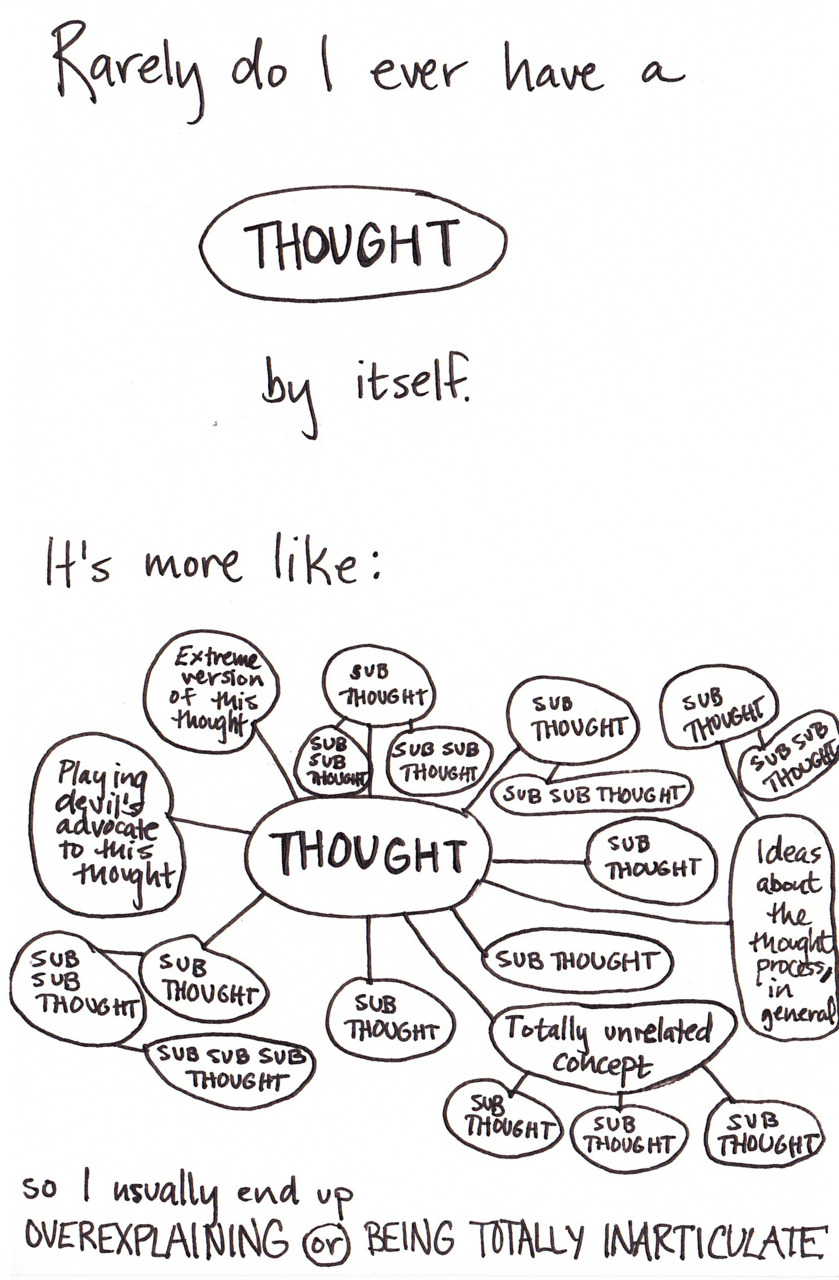
"My whole life is a coping strategy."
#While seeing my physical therapist the other night, he asked if I liked my eating habits (an odd way to ask the question, but it got me thinking) and I babbled for a few minutes about the little things I've picked up on eating, hunger, diets, and the like.

I told him about how I was at 250 lbs. in my mid-20s, my work with a nutritionist where I learned that starches shot my weight up like nobody's business, the various diets I've been on in my life, how food and money are both lifelong meditations since I tell myself so many stories about what they say about me, how fasting one day a week has taught me the difference between hunger and cravings, and the little tactics I weave into my life: make a plan for how to navigate the dessert table at the family reunion, put a hand on my belly and ask myself "Am I hungry?" when I stand in front of the candy machine (for some reason, I can't lie to myself when I do that), using the No S diet eating plan when eating normally through the week. And on and on.
He smiled and said, "Sounds like you have some great coping strategies, there."
To which I replied, without thinking, "My whole life is a coping strategy."
(There's probably a blogging rule somewhere about not making the punchline the title of your post, but I'll deal with the blog police later.)
I repeated this line to my mastermind group later and they laughed and said, "You're right."
Not quite sure what to do with this self-appraisal that bubbled up out of nowhere, but it's something more to meditate on.

Social behavior boils down to the “Morris Theorem”: “Change is caused by lazy, greedy, frightened people looking for easier, more profitable, and safer ways to do things.” These people are much the same everywhere. Their societies develop along similar paths. Geography explains different outcomes. “Maps, not chaps,” as Morris likes to say.
“The agency of individuals actually matters much less than historians tend to assume,” Morris tells me. “It’s hard to find any examples of decisions made by single individuals that really changed the big story very much—until you get into the 20th century, when you’ve got nuclear weapons.”
I recently said to a director, ‘Audiences are like furtive strangers standing outside school gates with bags of sweets. You follow them at your peril.’ They lead you down the wrong path, and then they say, 'We don’t believe you’ at the end of it when they’ve laughed and laughed and encouraged you to be funnier and funnier. They drop you, and you’re dumped as a character and as an actor, so always stay true. That’s the point.