
And then I realize: The way for me to be better than my parents isn’t to do my taxes on time. That would be nice. But really I need to not give myself choices about how I spend my time. The more choices I have throughout the day, the more decisions I make, the more willpower I need, the more I get distracted from paying attention to the building blocks of a fulfilling life: gratitude, meaning, and ritual.
Being productive means simplifying how you use your time. Which in turn, simplifies your life.
Those are my principles, and if you don’t like them … well, I have others.
—Groucho Marx
Review: Elf, a reminder service to avoid overdue library fees
The Durham Country Library -- which is a great organization I support with patronage and donations of both books and money -- does not notify me when books are either coming due or are overdue. This can be inconvenient when life gets hectic or I forget that the checkout period for DVDs is different from that for books. If you don't have a system set up to remind you about such things, then it's all to easy to forget when they're due.

Enter Elf (from its About page):
Elf is a web-based and email tool for library users to keep track of their library borrowings. Elf is like a personal assistant, whose task is to help with keeping track of what one has on loan from the library.
Designed with the busy or avid library user in mind, Elf is ideal for families with multiple library cards or for individuals (writers, researchers, students, readers, etc.) who have cards from different libraries.
Elf makes it easier to keep track of what's due, overdue or ready for pickup from one or more library accounts. Users have the option to consolidate their library accounts into one account if they wish. This account is checked everyday and email notices are sent when items are coming due, overdue or when holds are ready for pickup. As well, get up-to-date realtime information by browser.
How many people knew about Elf before I did? Probably everybody, I bet. And not a word from any of you! I only discovered it by happenstance, through the weekly Back to Work newsletter.
Durham happened to be in its list of libraries, and I eagerly signed up. I set the level of advance notice I want to receive (3 days) and provided my cell number so I could be texted also. Elf also offers RSS and iCal feeds if you prefer to be notified that-a-way.
It's a terrific service, it's free, and it's simple to figure out. If you use your library card a lot, you should check out (heh) Elf.



The Conet Project
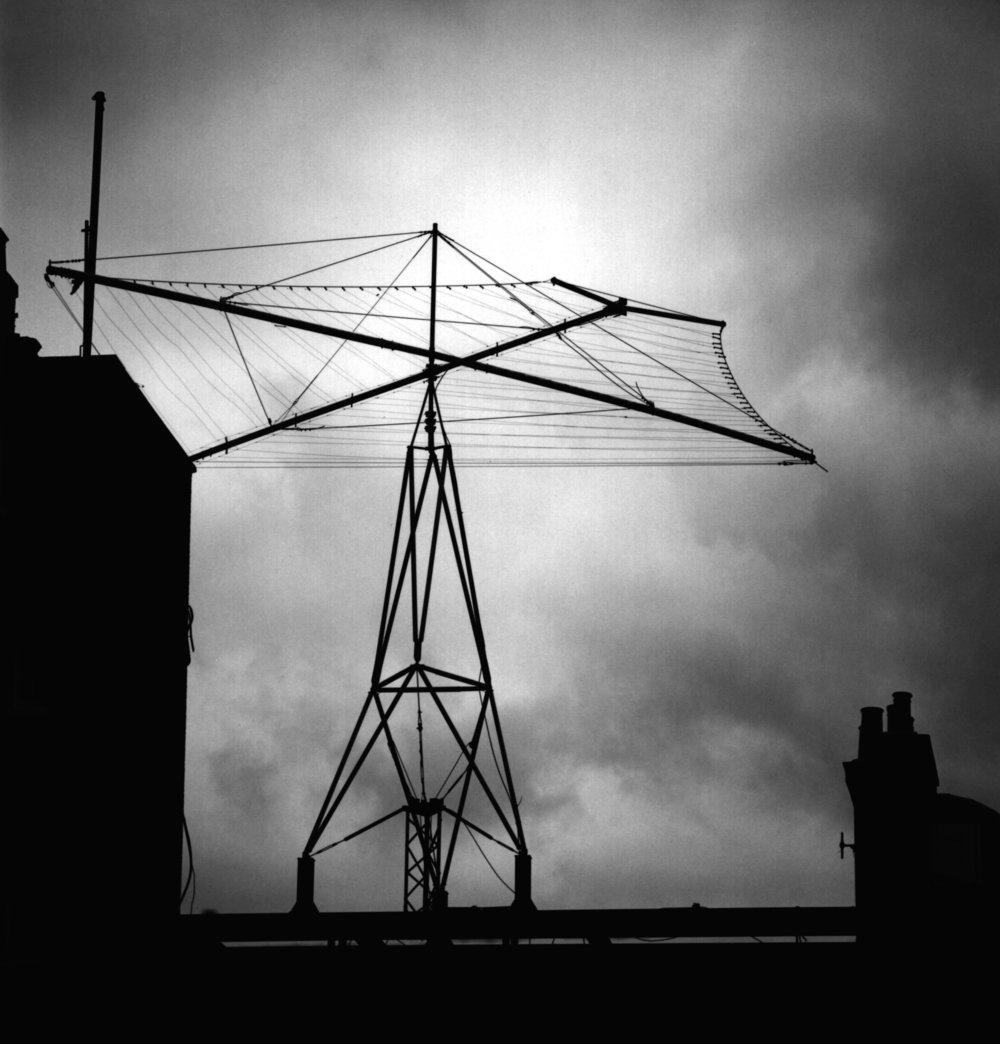 I must have heard about the shortwave numbers stations years ago on this Lost and Found Sound recording for NPR's All Things Considered (original page, YouTube version).
The story was strange, the recorded sounds spooky, and the low-fidelity of the shortwave signal making them sound even spookier, as if other sounds and voices are edging their way into the transmissions. (I guess in this context, "spooky" has more than one meaning.)
Domestic Comedy
Exchange between me and Liz as we drove past Ravenscroft school. ME. That's where Matthew did his play.
LIZ. Yeah, that musical about Noah's ark. He was Ham.
ME. (Pause. ) (Seriously.) He was doing his best.
LIZ. (Pause.) No! His character! His character's name was Ham! He was the son of Noah!
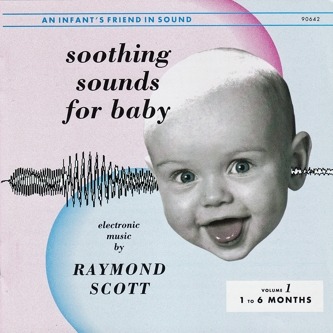
Soothing Sounds for Baby
Software: Audiobook Builder
 Back in the days of iron men and wooden computers, I listened to audiobooks on cassette.
In 2001, I joined Audible.com and listened to digitized audiobooks using my trusty yet problematic Digisette Duo-Aria; for years, my secondhand cars only had cassette players so the Digisette served me well. I preferred listening to audiobooks over music whilst commuting, traveling, or just motoring about. The other great thing about digital audiobooks was that I could listen to them anywhere, while raking the leaves or working out. Carrying my books everywhere was as important to me as carrying music everywhere was to other people. I also subscribed to Audible’s various monthly or weekly audio programs, like NPR’s Science Friday, in those dark days before podcasts.